The making of
Why Arkaik is built the way it is: one graph, many products, a map of itself, and a stack you can read in an afternoon.
Every tool is a stack of choices. This pod opens the workshop door and walks through the four that shape Arkaik the most.
It starts with the refusal at the heart of it: not another tracker, wiki or design tool, but one graph where your product's layers finally meet.

Why not just Jira, Figma, Notion and Swagger? Because your product lives between them.
Then the moment the model had to grow up: one project can hold several products, and "which app?" is not the same question as "which platform?".

An app and its back office share one graph, without the admin screens looking 'missing on iOS'.
Arkaik keeps itself honest by eating its own cooking. Its own anatomy lives in the same format you use.
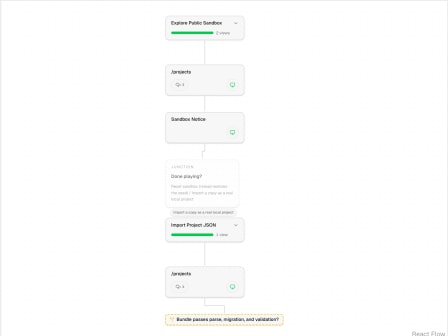
The best proof of a map format is the tool's own anatomy, kept in it and open for you to explore.
And finally, what it all runs on, and why the stack stays deliberately approachable.
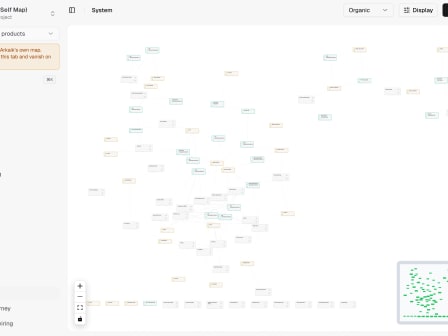
Next.js, React Flow, ELK, IndexedDB, and one shared schema, kept plain enough to read and fork.
Journal
- Products as project definitionsDecision
- The screen missing on iOSEssay
- One graph, many mapsMilestone
- Local viewer, deferredDecision
- Bundle format v2Milestone
- Arkaik is bornMilestone